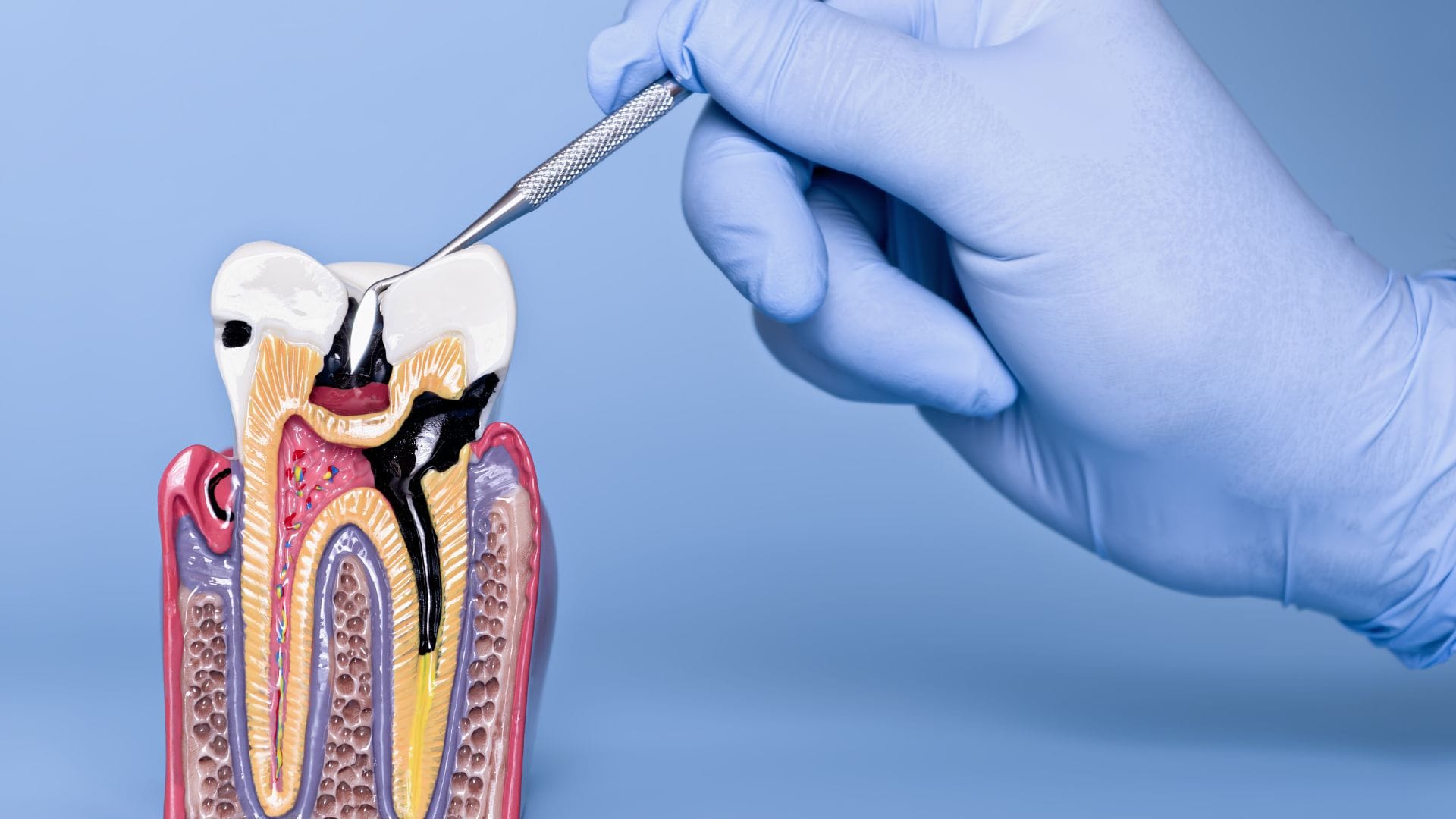
Root canal therapy is a common dental procedure designed to save a tooth affected by infection or decay. At Pacific Highway Dental in Surrey, we prioritize patient comfort while ensuring effective treatment for long-term oral health.
Initial Examination and Diagnosis
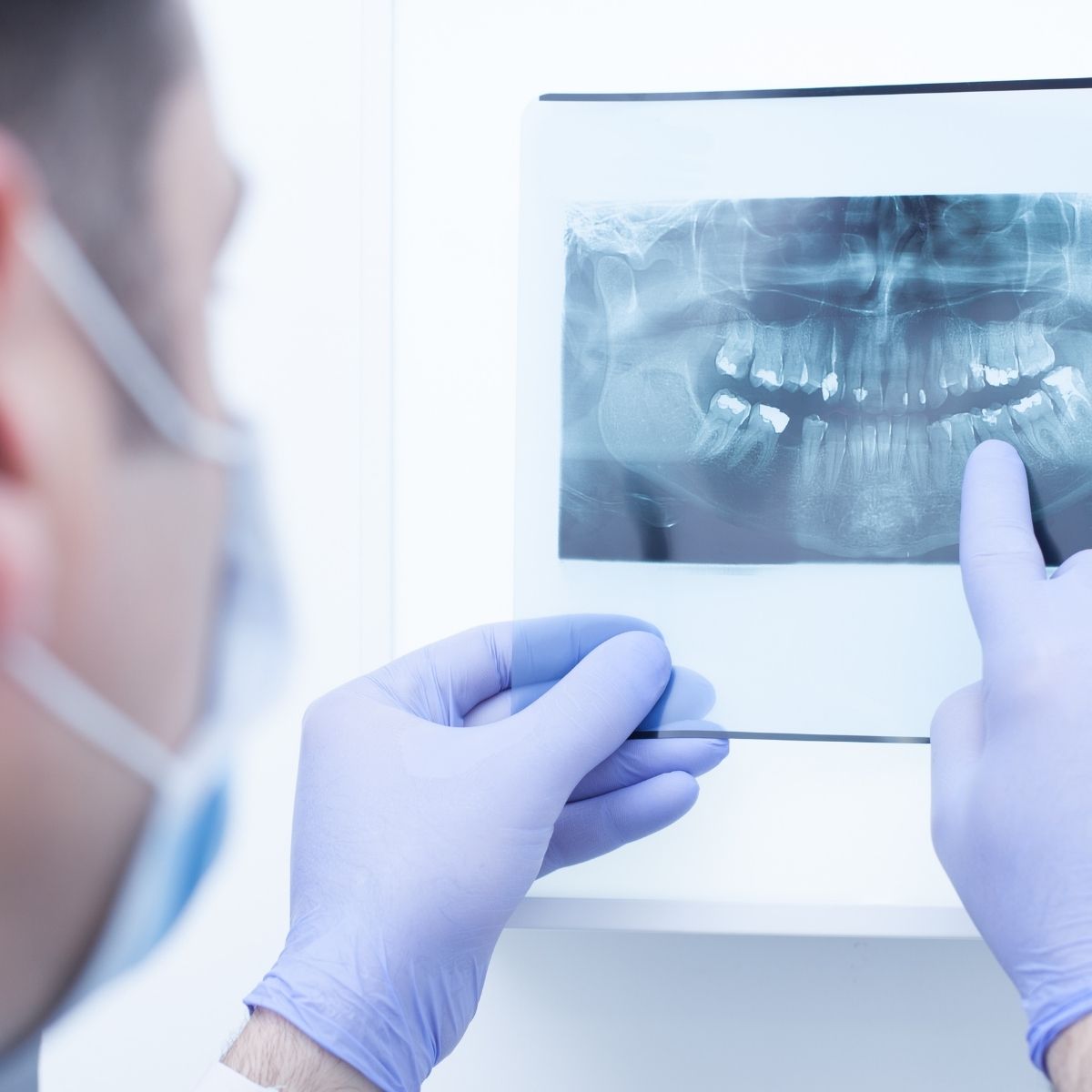
The root canal process begins with a thorough examination. The dentist assesses the affected tooth, takes X-rays, and evaluates the extent of infection or damage. This step ensures an accurate diagnosis and determines if root canal therapy is the best treatment option.
Local Anesthesia for Comfort
Before the procedure begins, local anesthesia is administered to numb the area around the affected tooth. This ensures that the patient experiences minimal discomfort during the treatment. Sedation options may also be discussed for anxious patients.
Cleaning and Shaping the Root Canals
The dentist carefully removes infected or damaged pulp from the tooth’s root canals. The canals are then cleaned, shaped, and disinfected to eliminate bacteria and prevent further infection. This step is crucial for restoring the health of the tooth.
Filling and Sealing
After cleaning, the empty canals are filled with a biocompatible material, usually gutta-percha, and sealed to prevent bacteria from entering. This ensures the tooth remains protected and maintains its structure and function.
Temporary or Permanent Restoration
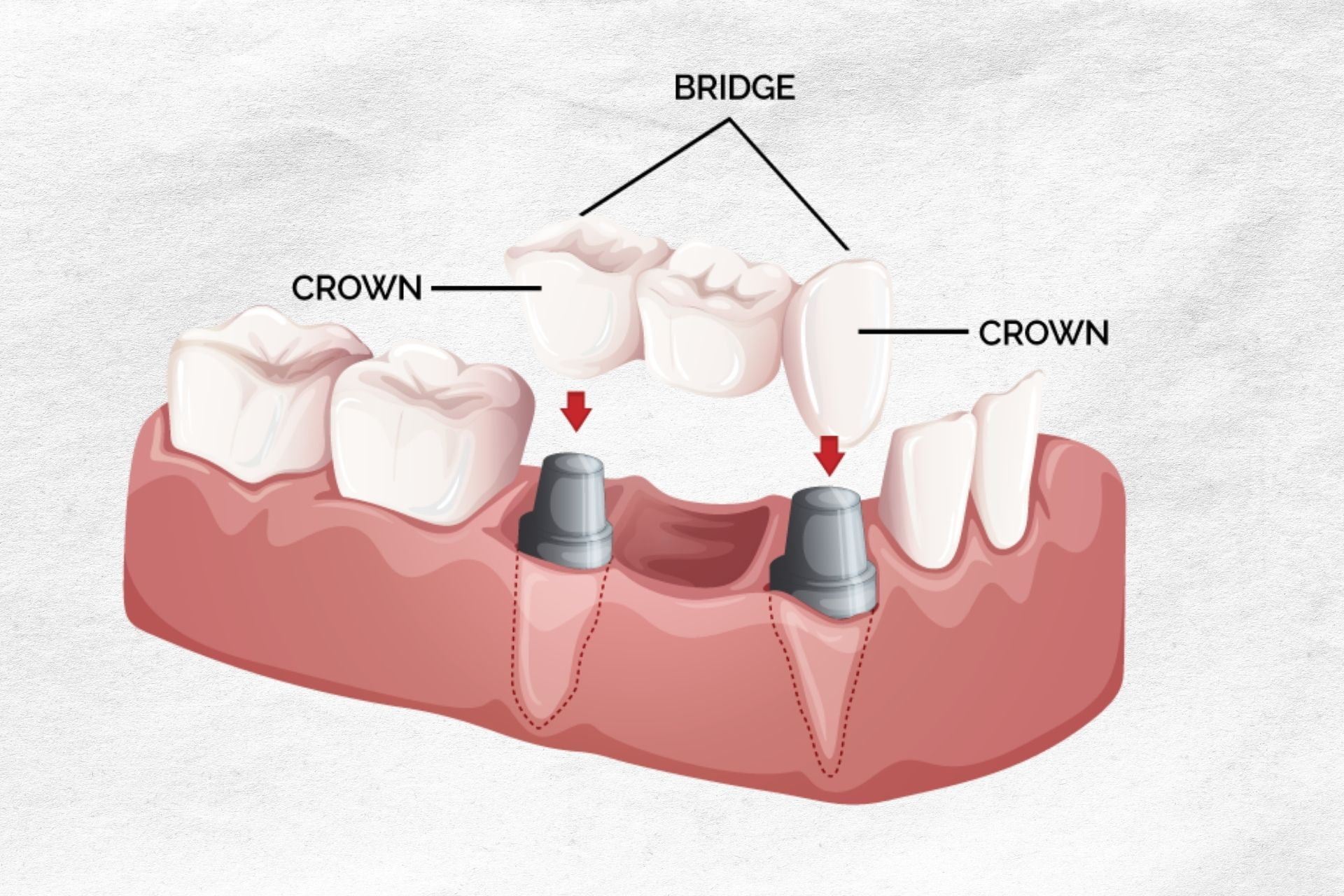
Following the root canal, the tooth may receive a temporary filling or a permanent restoration such as a crown. Crowns provide strength, durability, and a natural appearance, restoring both function and aesthetics.
Post-Treatment Care
Patients may experience mild sensitivity or discomfort for a few days after the procedure. Over-the-counter pain relievers and proper oral hygiene help manage this. The dentist provides instructions on caring for the treated tooth to ensure optimal healing and longevity.
Follow-Up Visits
Follow-up appointments allow the dentist to monitor healing and ensure the restoration is functioning correctly. Regular dental checkups are important to maintain oral health and prevent future issues.