Gum disease is one of the most common oral health conditions affecting adults and can progress silently if left untreated. Also known as periodontal disease, it begins with mild inflammation of the gums and can advance to serious infection that damages the bone and tissues supporting the teeth. Recognizing the early warning signs of gum disease and knowing when to see a dentist can help prevent long-term oral health complications.
What Is Gum Disease
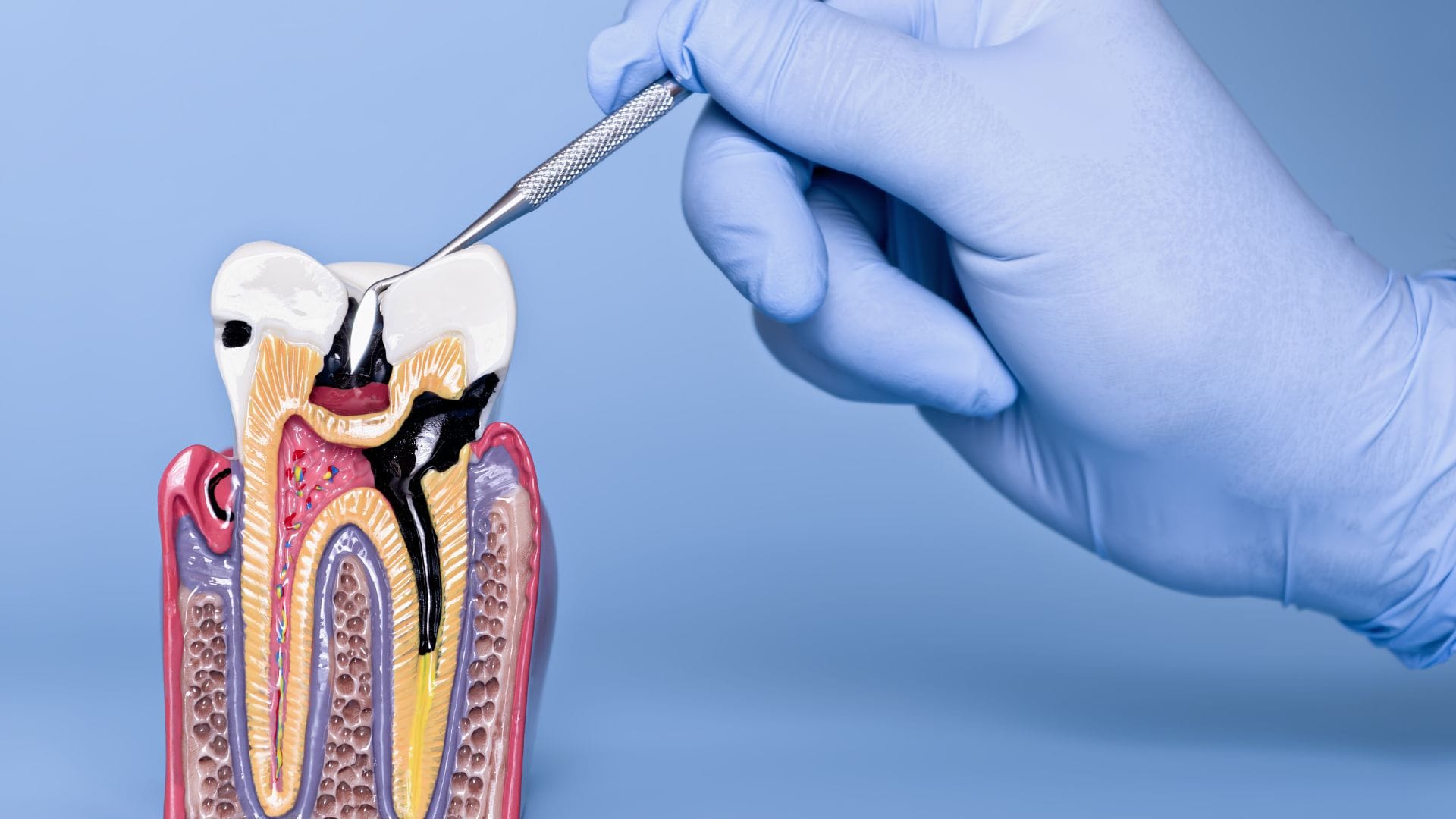
Gum disease is caused by the buildup of plaque, a sticky film of bacteria that forms on the teeth and along the gum line. When plaque is not removed through proper brushing, flossing, and professional cleanings, it can harden into tartar. This allows bacteria to irritate the gums, triggering inflammation and infection. Gum disease typically develops in stages, starting with gingivitis and potentially progressing to periodontitis.
Common Early Warning Signs of Gum Disease
Early-stage gum disease often presents subtle symptoms that many people overlook. One of the most common early signs is red, swollen, or tender gums. Healthy gums should appear pink and firm, not inflamed or sensitive to touch.
Bleeding during brushing or flossing is another warning sign that should not be ignored. While many people assume bleeding gums are normal, they often indicate inflammation caused by bacterial buildup along the gum line.
Persistent bad breath or a bad taste in the mouth may also signal gum disease. Bacteria trapped beneath the gums release toxins that contribute to chronic halitosis, even with regular oral hygiene.
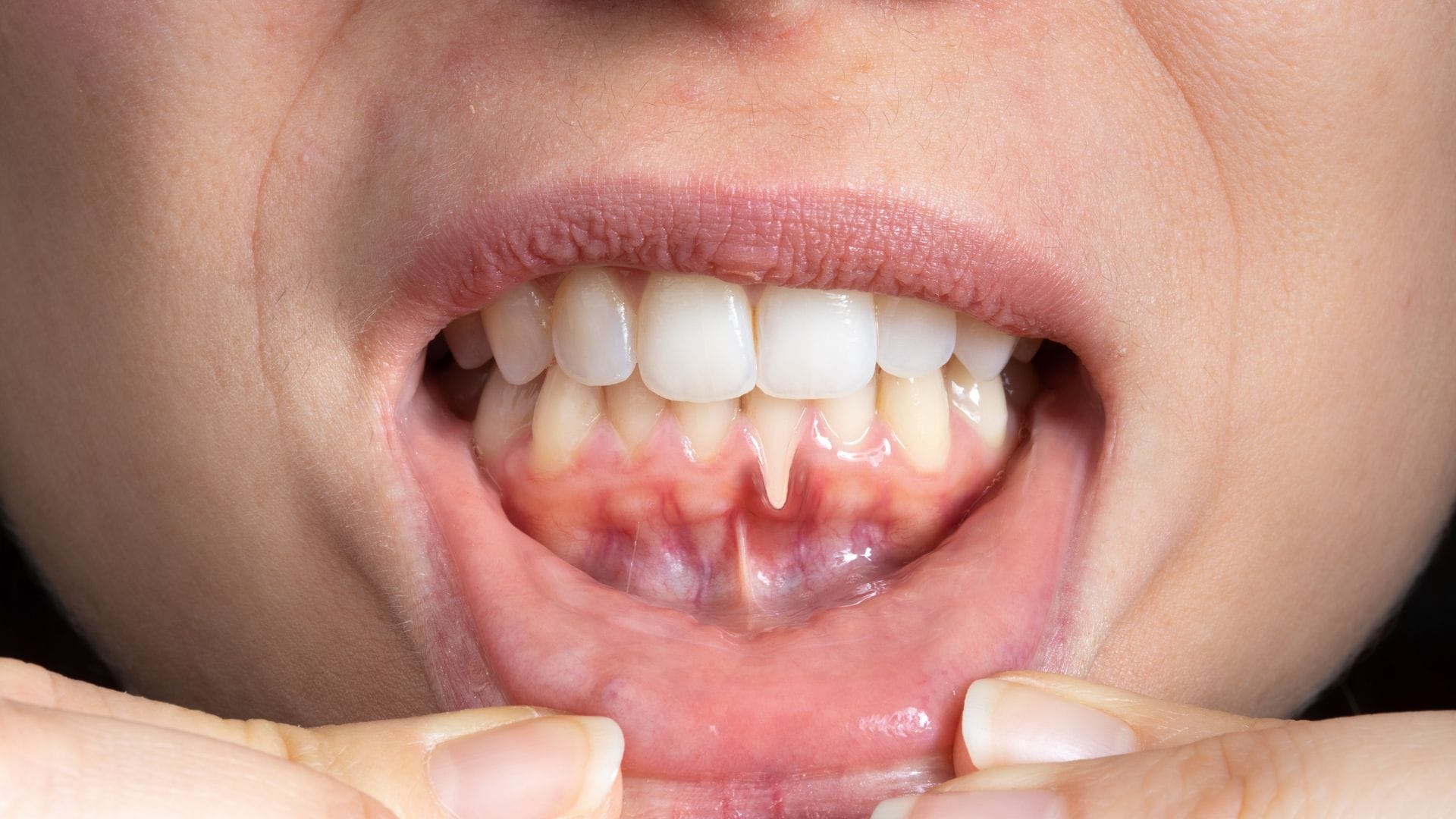
Gum recession is another early indicator. If teeth begin to look longer or the gum line appears to be pulling away, it may be due to the early stages of periodontal disease.
Signs That Gum Disease May Be Progressing
As gum disease advances, symptoms can become more noticeable and severe. Increased gum sensitivity, pain while chewing, or pus between the teeth and gums may indicate an active infection. Loose teeth or changes in how teeth fit together when biting can signal bone loss, a serious consequence of advanced periodontal disease.
Ignoring these symptoms can lead to irreversible damage, including tooth loss and increased risk of systemic health problems.
When to See a Dentist for Gum Disease
You should see a dentist as soon as you notice any signs of gum inflammation, bleeding, or persistent bad breath. Early intervention allows gingivitis to be reversed with professional dental cleanings and improved oral hygiene habits.
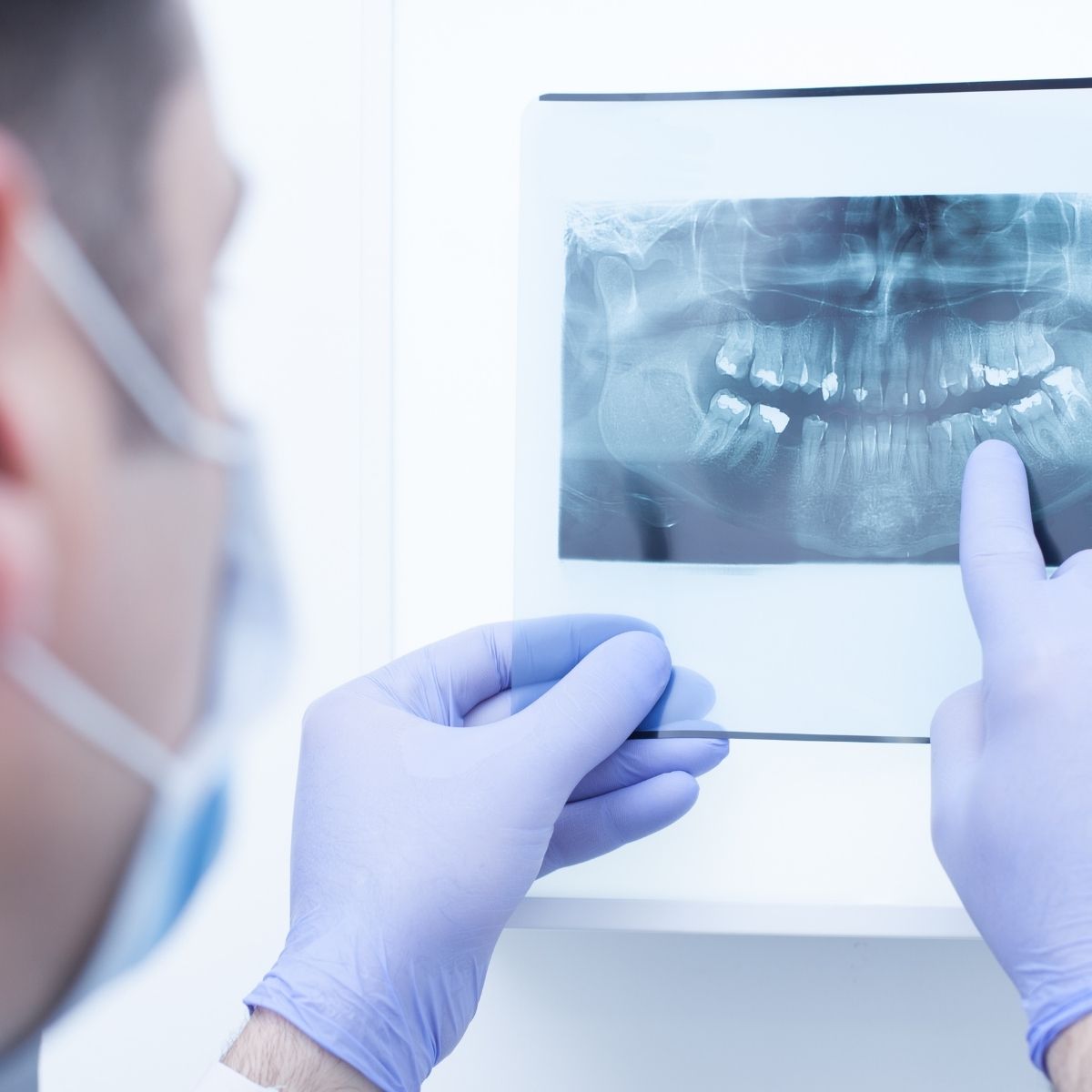
Routine dental checkups play a critical role in detecting gum disease before symptoms become severe. Dentists can measure gum pocket depth, evaluate bone levels, and identify areas of concern that may not be visible during a self-examination at home.
If you experience pain, swelling, or signs of infection, prompt dental care is essential to prevent further progression and protect your oral health.
How Gum Disease Is Treated
Treatment depends on the severity of the condition. Early-stage gum disease can often be managed with professional scaling and polishing, combined with improved brushing and flossing techniques. More advanced cases may require deep cleaning procedures such as scaling and root planing to remove bacteria from beneath the gum line.
Ongoing maintenance, including regular dental visits and personalized oral hygiene guidance, is crucial to prevent recurrence and maintain healthy gums long term.
Preventing Gum Disease Through Daily Care
Consistent oral hygiene is the foundation of gum disease prevention. Brushing twice daily with fluoride toothpaste, flossing daily, and attending regular dental cleanings significantly reduce the risk of plaque buildup. Avoiding tobacco products and maintaining a balanced diet also support gum health.
Early detection and timely treatment are key to preventing gum disease from progressing. Paying attention to warning signs and seeking professional care when needed can help preserve your teeth, gums, and overall well-being.