Smoking is widely recognized as a major risk factor for overall health, but its effects on oral health are equally serious. Tobacco use can lead to a variety of dental problems, from stained teeth to severe gum disease. At Pacific Highway Dental in Surrey, we educate patients on the dangers of smoking and offer guidance to protect oral health.
Increased Risk of Gum Disease
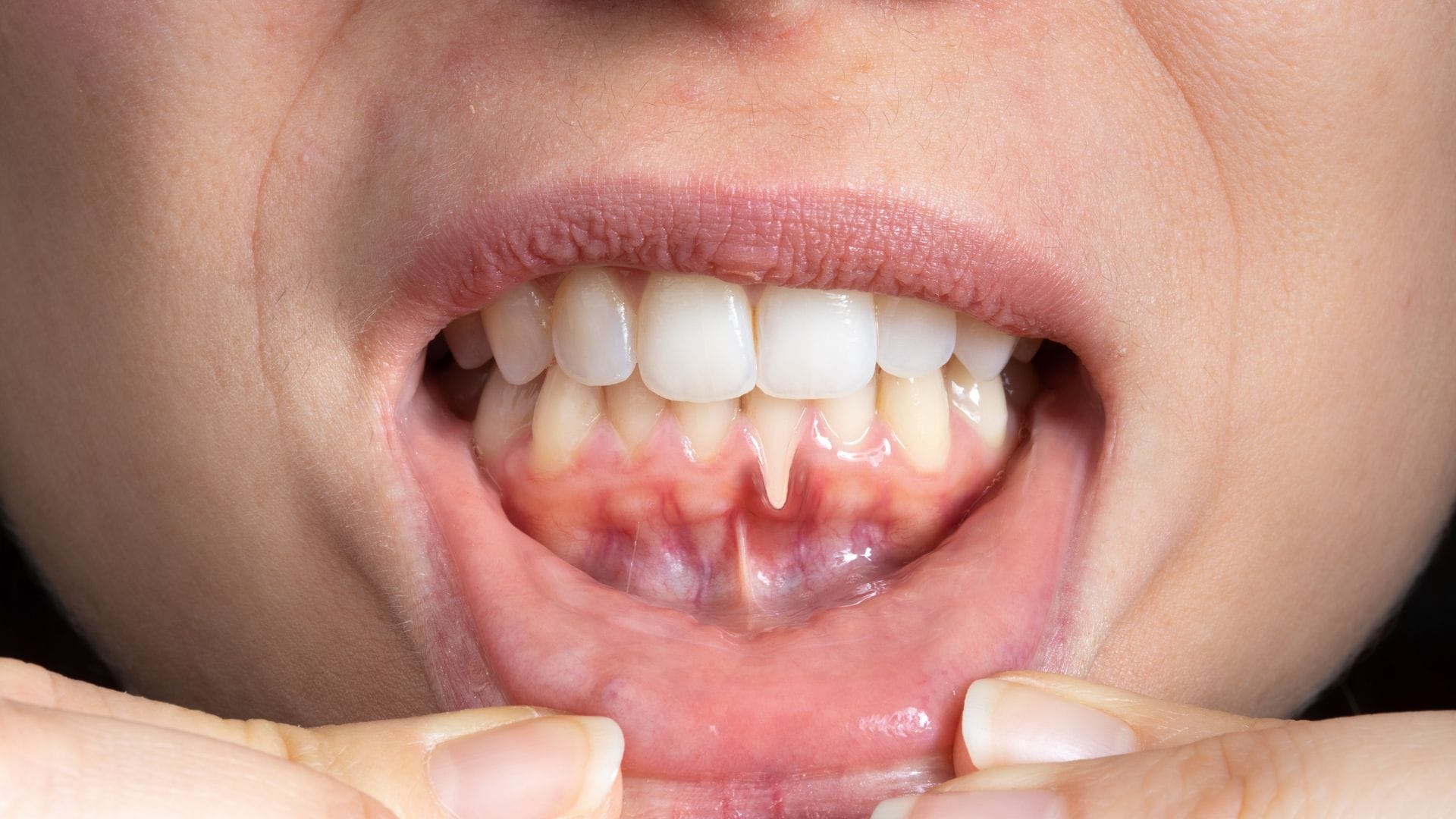
Smoking reduces blood flow to the gums, which impairs healing and weakens the immune response. This increases the risk of gum disease, including gingivitis and periodontitis, and can make existing conditions worse.
Tooth Discoloration
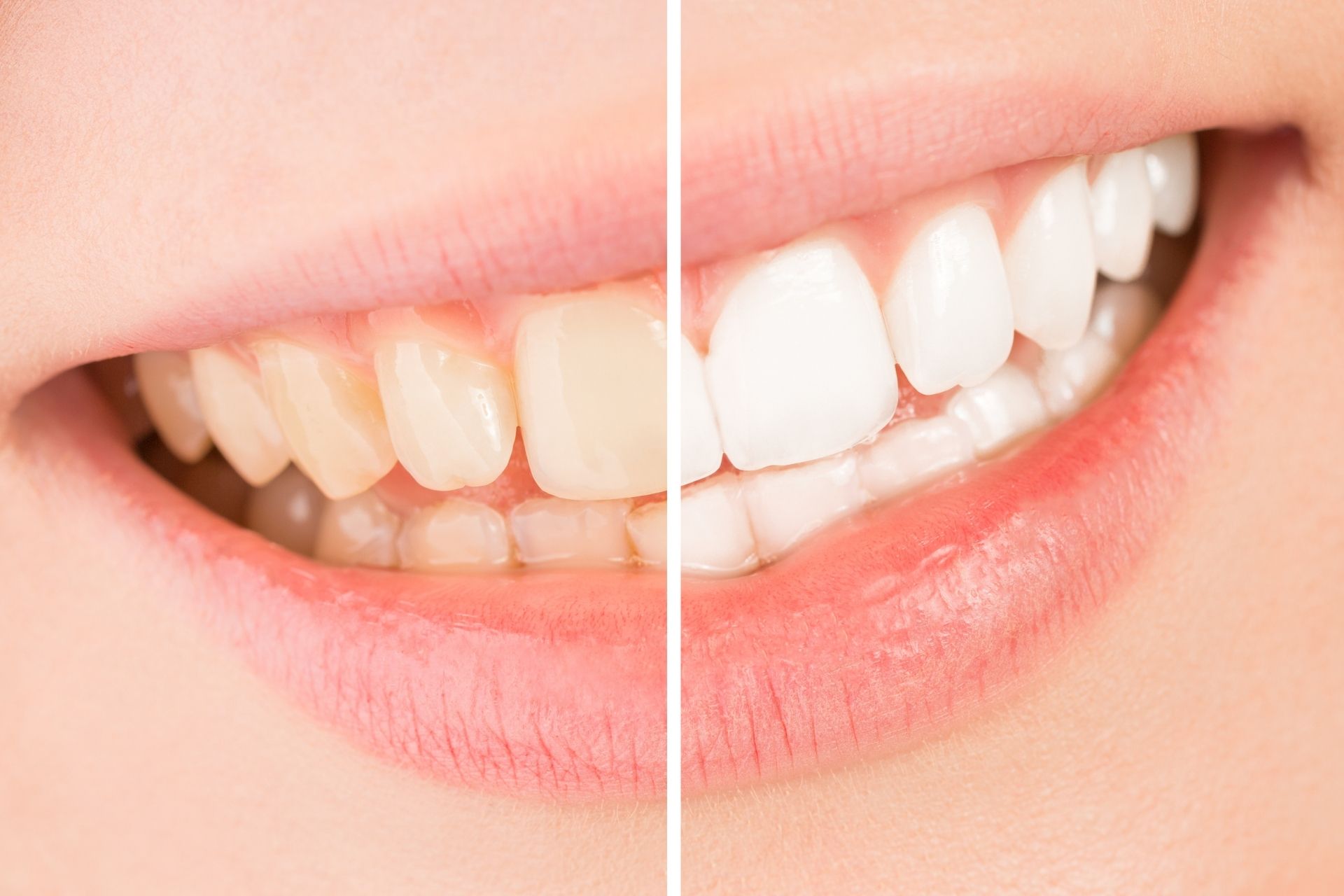
Nicotine and tar in tobacco stain teeth, causing yellow or brown discoloration over time. These stains are often difficult to remove with regular brushing and may require professional cleaning or whitening.
Delayed Healing After Dental Procedures
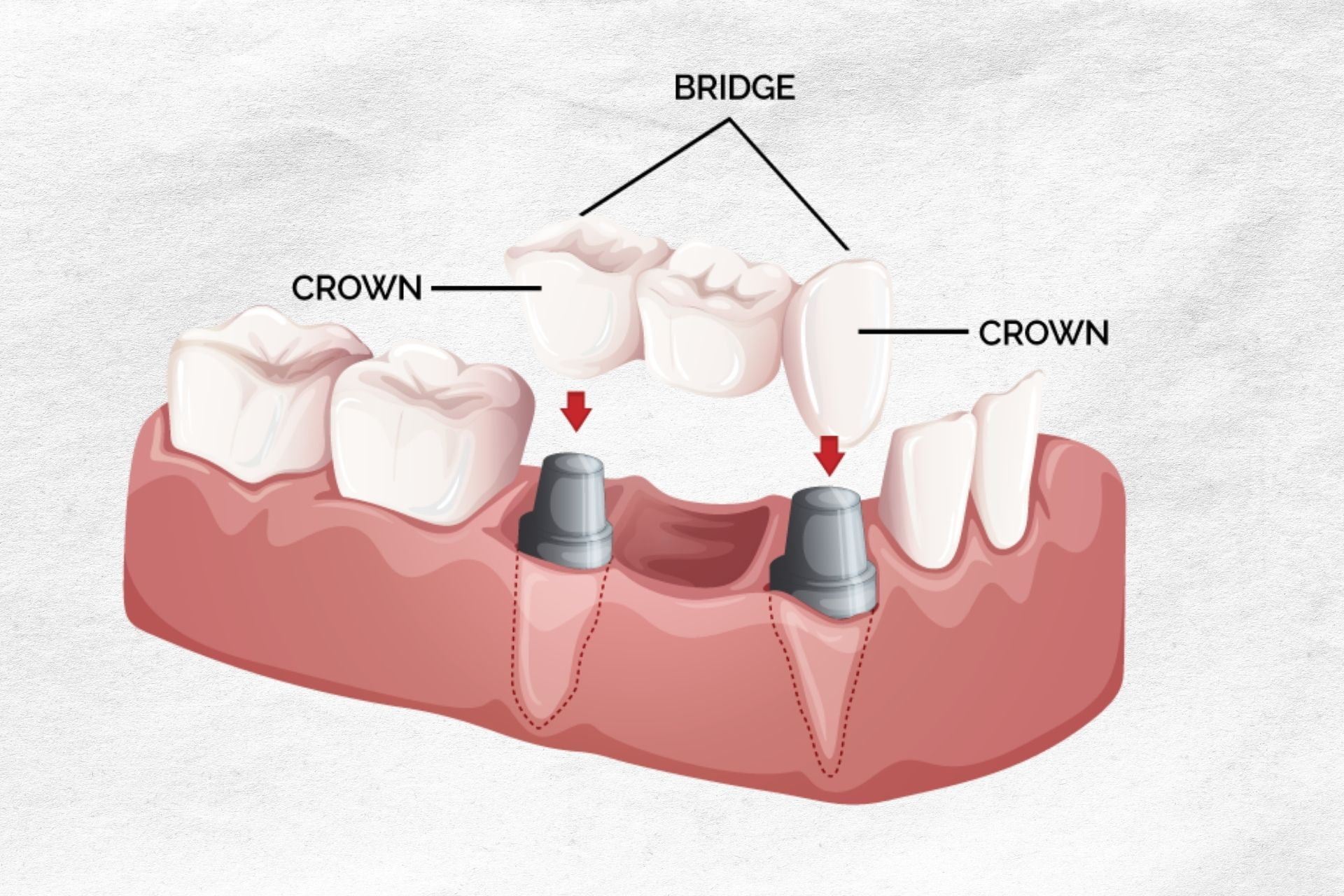
Smoking slows the body’s ability to heal, which can complicate dental procedures such as extractions, implants, and periodontal treatments. Smokers may experience longer recovery times and higher rates of post-treatment complications.
Increased Risk of Tooth Loss
Severe gum disease, which is more common in smokers, can lead to the destruction of bone and tissue that support the teeth. This significantly increases the likelihood of tooth loss.
Oral Cancer Risk
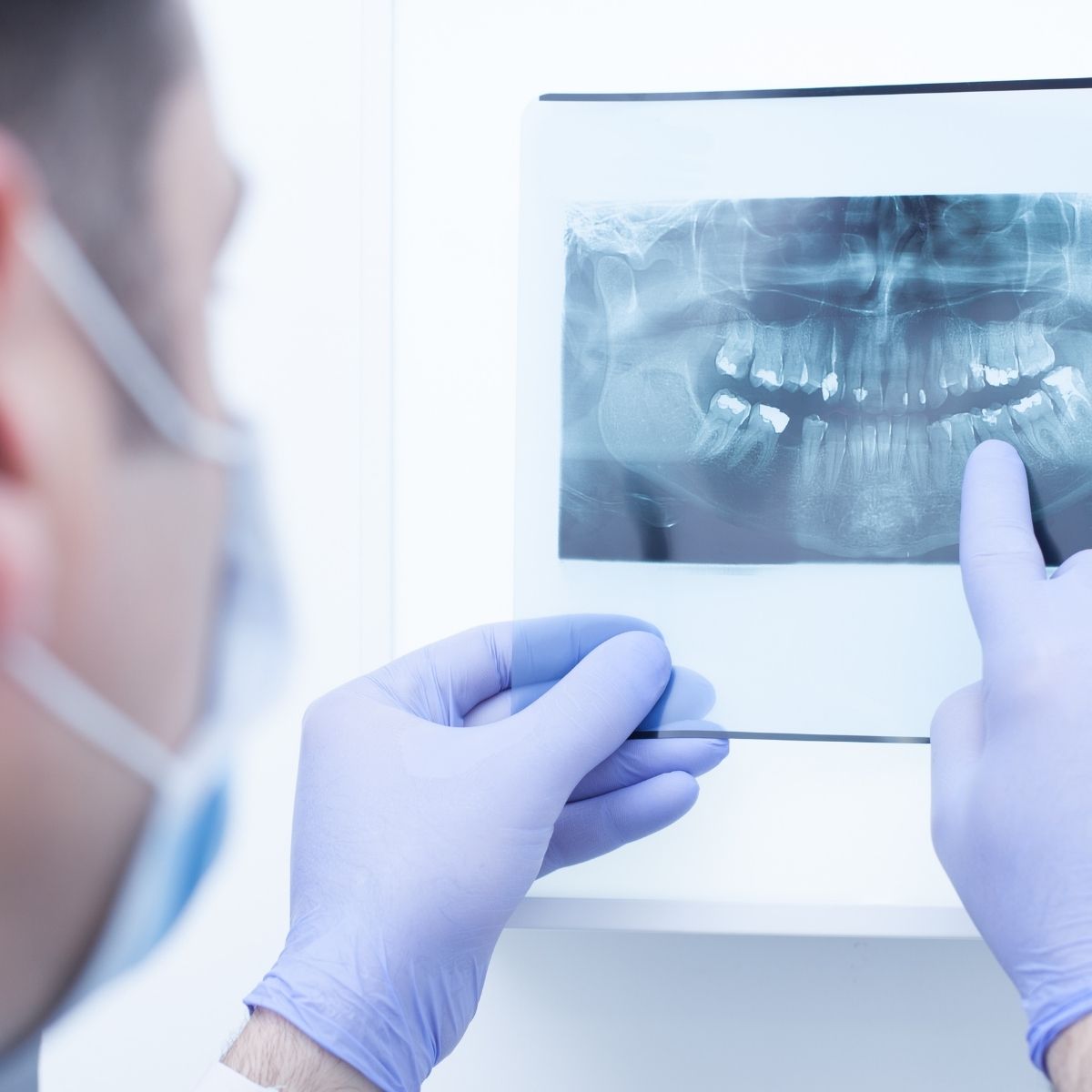
Tobacco use is a leading cause of oral cancers, including cancers of the tongue, cheeks, gums, and throat. Regular dental checkups are essential for early detection, particularly for patients who smoke.
Bad Breath and Reduced Taste
Smoking contributes to chronic bad breath (halitosis) and can dull the senses of taste and smell, impacting overall oral comfort and enjoyment of food.
Protective Measures
Quitting smoking is the most effective way to protect oral health. In addition, maintaining proper oral hygiene, scheduling regular dental cleanings, and attending routine checkups can help prevent and manage smoking-related dental issues.