Dental X-rays are essential for detecting hidden issues and planning effective treatment. Advances in technology have made digital X-rays a preferred choice over traditional film-based imaging. At Pacific Highway Dental in Surrey, we use digital radiography to provide safer, faster, and more precise dental care.
Reduced Radiation Exposure
Digital X-rays expose patients to significantly less radiation compared to traditional film X-rays. This makes them safer, especially for children, pregnant patients, and individuals requiring frequent imaging.
Faster Results
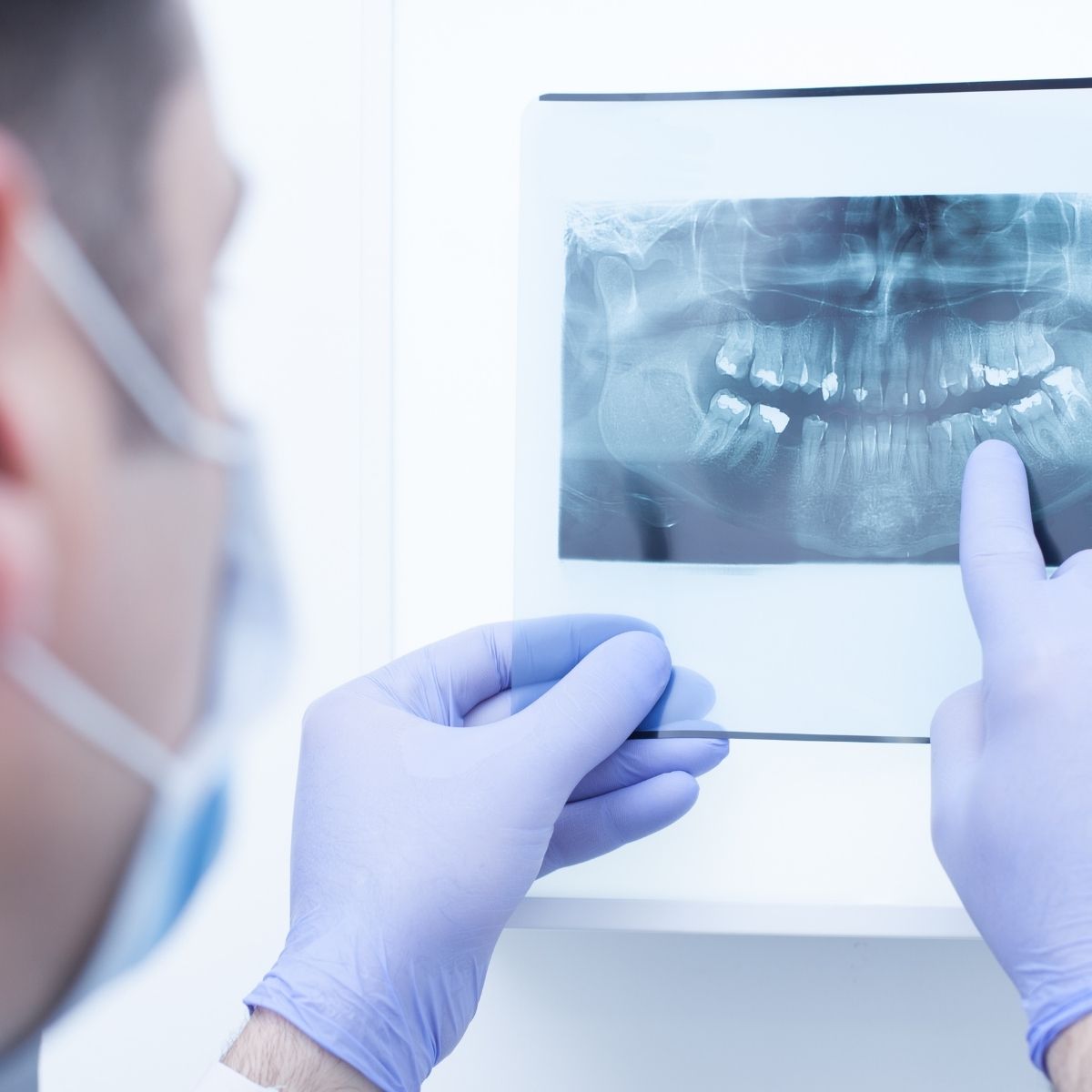
Digital X-rays provide immediate images that can be viewed on a computer screen. This eliminates the waiting time associated with developing traditional film, allowing for quicker diagnosis and treatment planning.
Enhanced Image Quality
Digital imaging produces high-resolution images that can be enhanced, magnified, or adjusted for better visibility. This allows dentists to detect cavities, bone loss, and other dental issues more accurately than with traditional X-rays.
Environmentally Friendly
Unlike traditional X-rays, digital radiography does not require chemical processing or film, reducing environmental impact and contributing to more sustainable dental practices.
Easy Storage and Sharing
Digital X-rays can be stored electronically, making it easier to track patient history, monitor treatment progress, and share images with specialists or insurance providers when necessary.
Improved Patient Education
With digital images, dentists can show patients detailed visuals of their teeth, gums, and jaw structure. This helps patients understand their oral health, proposed treatments, and the importance of preventive care.
Comfortable Experience
Digital X-ray sensors are often smaller and more flexible than traditional film, providing a more comfortable experience during the imaging process.
Better Diagnostic Accuracy
The enhanced detail and clarity of digital X-rays allow for earlier detection of dental issues such as decay, fractures, and gum disease. Early diagnosis leads to more effective treatment and improved long-term oral health.