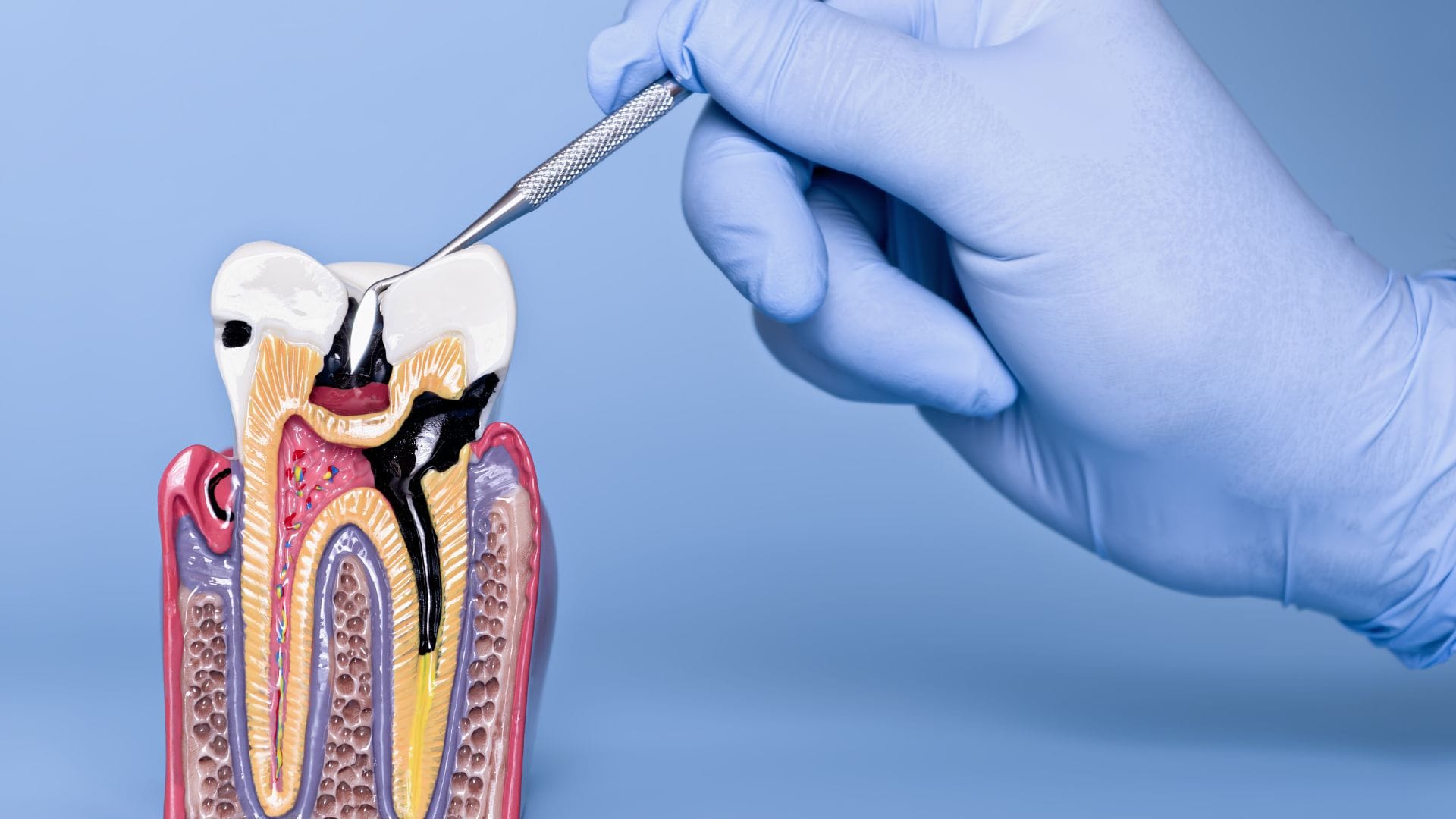
Gum disease, also known as periodontal disease, is a common condition that can progress silently if left untreated. Detecting the early signs is essential for maintaining healthy teeth and gums. At Pacific Highway Dental in Surrey, we emphasize early intervention to prevent serious complications.
Red or Swollen Gums
One of the earliest indicators of gum disease is redness or swelling in the gums. Healthy gums should be firm and pink, so any change in color or texture may signal inflammation caused by bacterial buildup.
Bleeding During Brushing or Flossing
Gums that bleed easily during brushing or flossing are a warning sign of gingivitis, the initial stage of gum disease. Ignoring bleeding gums can allow the condition to progress to more severe stages.
Persistent Bad Breath
Chronic bad breath or a bad taste in the mouth may indicate bacterial infection in the gums. Early detection and treatment can address the underlying cause and prevent further oral health issues.
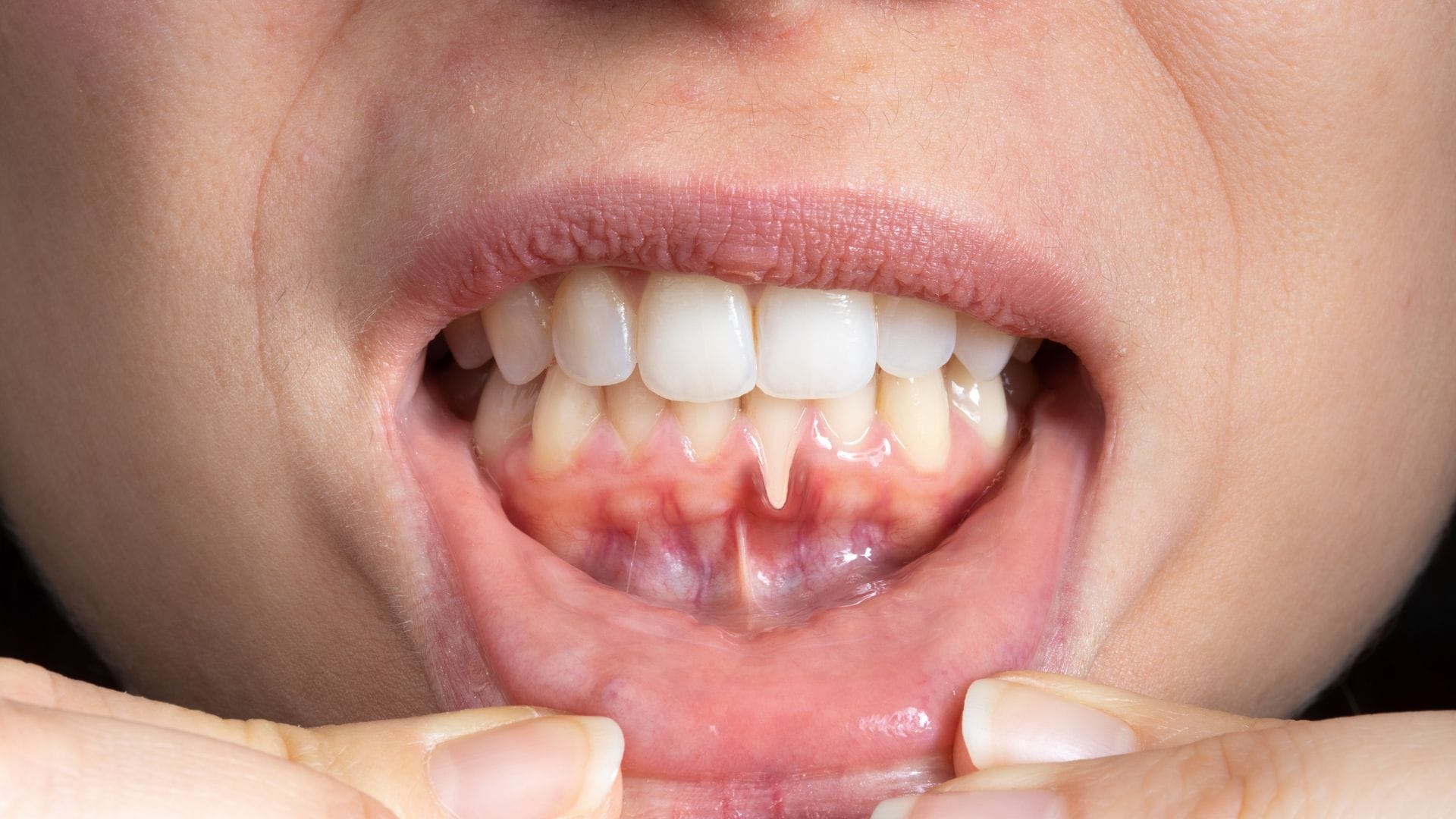
Receding Gums
Gum recession, where the gum tissue pulls away from the teeth, exposes the roots and increases sensitivity. Receding gums may be a sign of advancing gum disease and require professional evaluation.
Loose or Shifting Teeth
As gum disease progresses, it can affect the supporting bone and tissues around the teeth. Loose or shifting teeth are a serious warning sign and should prompt immediate dental care.
Changes in Bite or Jaw Alignment
Advanced gum disease can lead to changes in how teeth fit together or affect jaw alignment. Noticing any changes in your bite may indicate underlying periodontal issues.
Importance of Early Detection
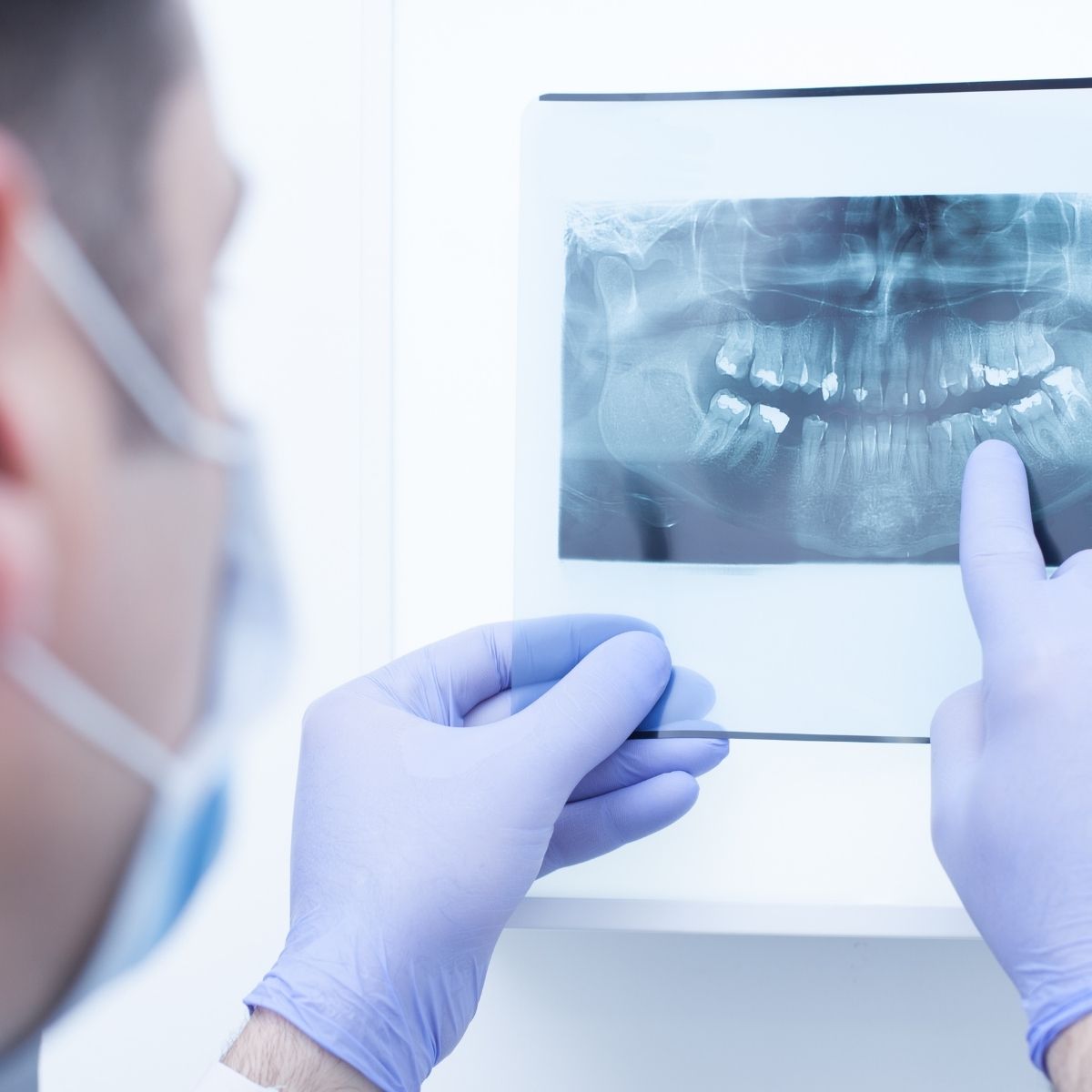
Regular dental checkups allow dentists to detect early signs of gum disease before it becomes severe. Professional cleanings, oral examinations, and personalized preventive care are essential for maintaining healthy gums and preventing tooth loss.
Preventive Measures
Good oral hygiene, including brushing twice daily, flossing, and using antimicrobial mouth rinses, can help prevent gum disease. Early intervention and consistent care significantly improve outcomes and preserve long-term oral health.