Digital X-rays have transformed modern dentistry by allowing dentists to diagnose oral health conditions with greater accuracy while significantly improving patient safety. At dental clinics that utilize advanced digital radiography, patients benefit from faster imaging, reduced radiation exposure, and more precise treatment planning. Understanding how digital X-rays work and why they matter can help patients feel more confident about their dental care.
What Are Digital Dental X-Rays
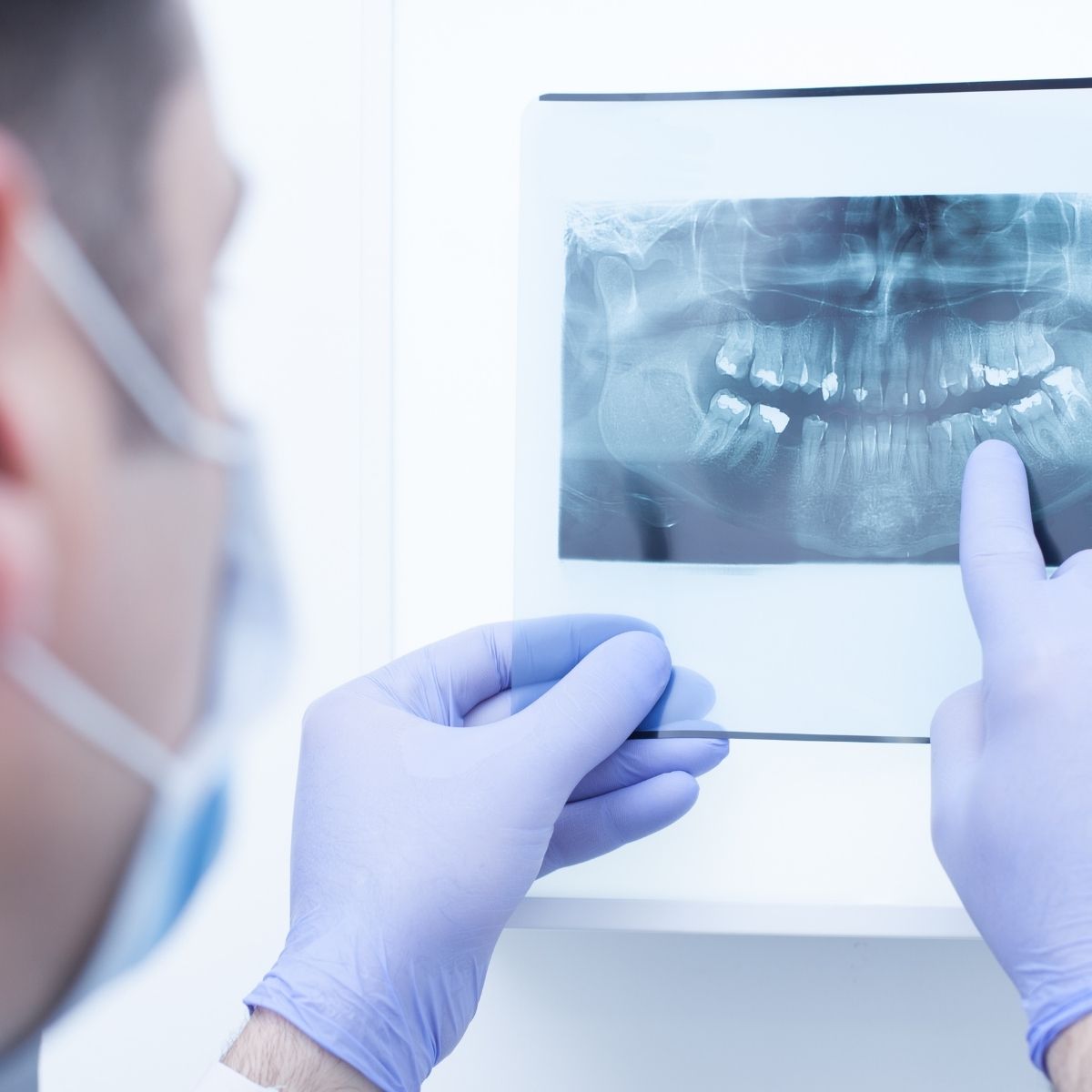
Digital dental X-rays use electronic sensors instead of traditional film to capture images of the teeth, gums, jawbone, and surrounding oral structures. These images are instantly displayed on a computer screen, allowing dentists to evaluate oral health conditions in real time. Unlike conventional X-rays, digital radiographs do not require chemical processing, making them both efficient and environmentally friendly.
Improved Accuracy in Dental Diagnosis
One of the most significant advantages of digital X-rays is the level of detail they provide. High-resolution images allow dentists to detect problems that may not be visible during a standard clinical examination. Conditions such as early-stage tooth decay, bone loss, impacted teeth, infections, cysts, and cracks can be identified sooner. Early detection enables timely intervention, which often leads to simpler, less invasive, and more cost-effective treatment options.
Digital imaging software also allows dentists to enhance images using tools such as zoom, contrast adjustment, and magnification. These features improve diagnostic accuracy and reduce the likelihood of misinterpretation, leading to better clinical outcomes.
Enhanced Patient Safety Through Reduced Radiation
Patient safety is a primary concern in dental care, and digital X-rays significantly reduce radiation exposure compared to traditional film-based X-rays. Digital radiography can lower radiation levels by up to 50 to 80 percent, making it a safer option for patients of all ages, including children and individuals who require frequent imaging.
Protective measures such as lead aprons and thyroid collars further minimize exposure. Dentists follow strict guidelines to ensure X-rays are taken only when necessary and in accordance with the standard of care.
Faster Imaging and Efficient Appointments
Digital X-rays provide instant results, eliminating the wait time associated with film development. This allows dentists to diagnose conditions, discuss findings, and recommend treatment during the same appointment. Faster imaging improves appointment efficiency and reduces the overall time patients spend in the dental chair.
Immediate access to images also enhances patient communication. Dentists can show patients their X-rays on a screen, explain findings clearly, and involve them in treatment decisions with greater transparency.
Better Treatment Planning and Collaboration
Accurate digital X-rays support precise treatment planning for procedures such as root canal therapy, dental implants, orthodontics, and periodontal treatment. The clarity of digital images allows dentists to measure bone levels, assess tooth structure, and plan treatments with greater confidence.
Digital files can also be securely shared with specialists or insurance providers without loss of image quality. This streamlined collaboration improves continuity of care and ensures patients receive the most appropriate treatment recommendations.
Environmentally Friendly Dental Imaging
Digital X-rays eliminate the need for chemical processing solutions and lead foil used in traditional film radiography. This reduces hazardous waste and supports more sustainable dental practices. For patients who value environmentally responsible healthcare, digital radiography offers an added benefit beyond clinical performance.
A Better Experience for Patients
By combining safety, accuracy, and efficiency, digital X-rays enhance the overall patient experience. Reduced radiation exposure, quicker appointments, clearer explanations, and more accurate diagnoses all contribute to greater comfort and peace of mind during dental visits.
Digital X-rays are now considered a cornerstone of high-quality modern dentistry, helping dentists deliver safer, smarter, and more effective care.